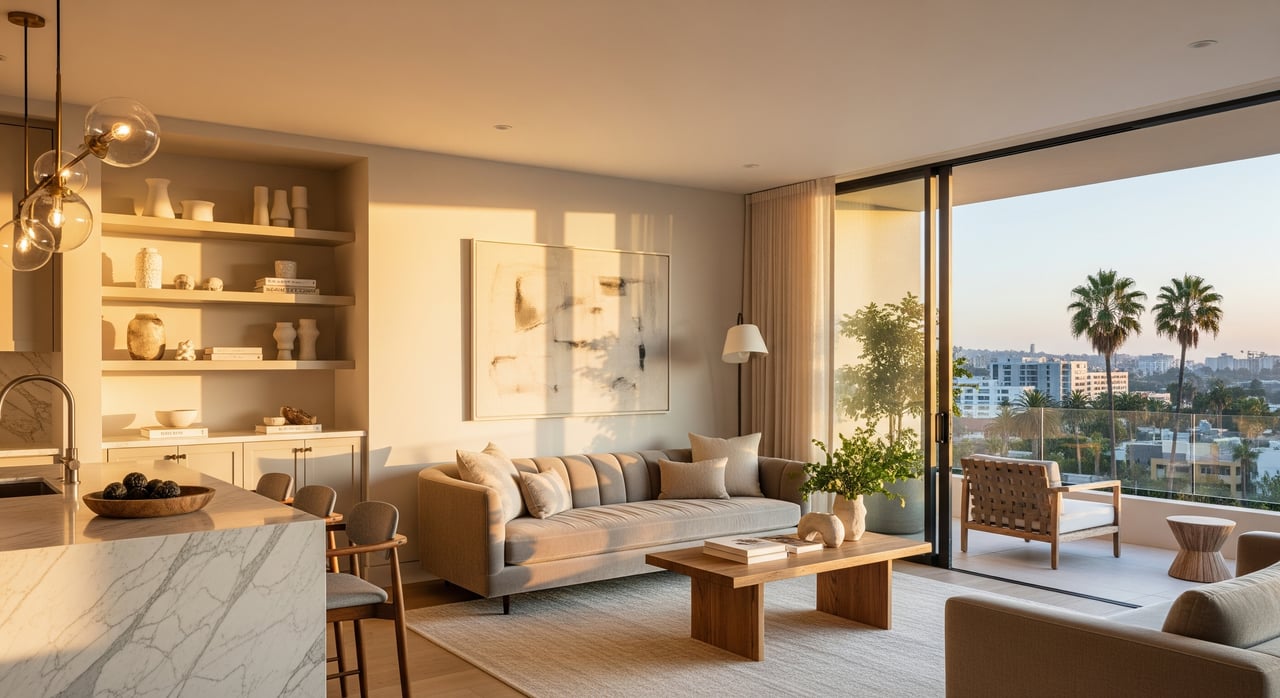
Thinking about listing your West Hollywood condo and want buyers to feel that instant pull the moment they step inside? In a neighborhood known for design, dining, and lifestyle, presentation is not a nice-to-have. It is part of your pricing strategy. In this guide, you’ll get a room-by-room staging plan tailored to West Hollywood buyers, plus a simple photography checklist and a concierge workflow that saves you time while elevating perceived value. Let’s dive in.
Why staging sells in West Hollywood
West Hollywood buyers care about lifestyle. They look for walkability, design-forward interiors, and proximity to entertainment and creative hubs. For condo shoppers, outdoor space, views, building amenities, and secure parking often tip the scales. Your staging should make these features unmistakable.
Condo layouts can be tricky. Many units have smaller rooms and open plans. Oversized furniture or clutter can make spaces read smaller than they are. Proper scale, traffic flow, and layered lighting help your rooms feel larger, brighter, and more livable, which supports stronger pricing.
Industry groups consistently report that professional staging tends to reduce days on market and improve perceived value. Exact results vary by property and market, but in a style-driven area like West Hollywood, a tasteful, contemporary presentation aligns with buyer expectations and can help justify premium pricing.
Room-by-room staging plan
Use this framework to stage with purpose and speed. Scale, light, and lifestyle cues are your anchors.
Entry and threshold
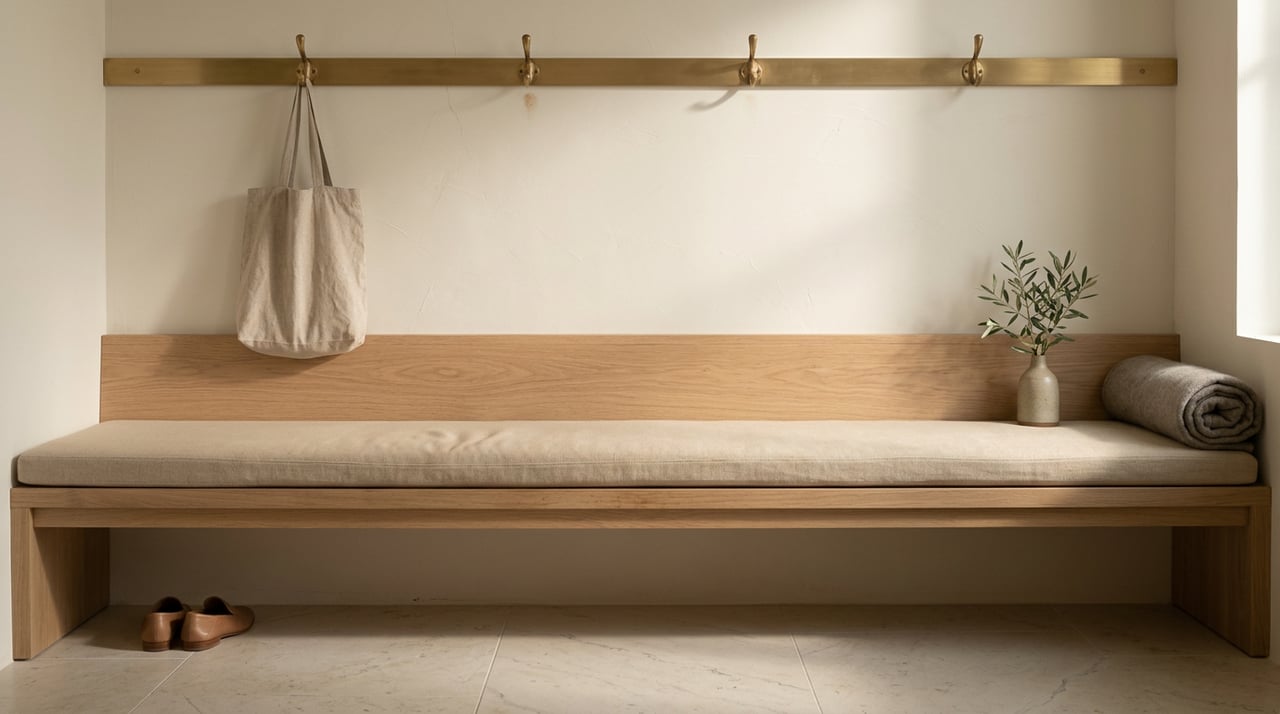
- Keep it minimal and welcoming: a slim console or bench, a mirror to bounce light, and a simple botanical or sculptural piece.
- If your building entry or lobby is a selling point, plan to feature it prominently in photos.
- Clear the floor and switch plates. A tidy threshold primes buyers for what comes next.
Living room flow
- Establish a focal point: a piece of art, a view line, or a fireplace. Arrange seating to emphasize conversation and sightlines to windows or terraces.
- Choose slim-profile seating to keep circulation open. Avoid bulky sectionals that block pathways.
- Layer light with a floor lamp, a table lamp, and any recessed lighting so the room reads warm at all hours.
Kitchen appeal
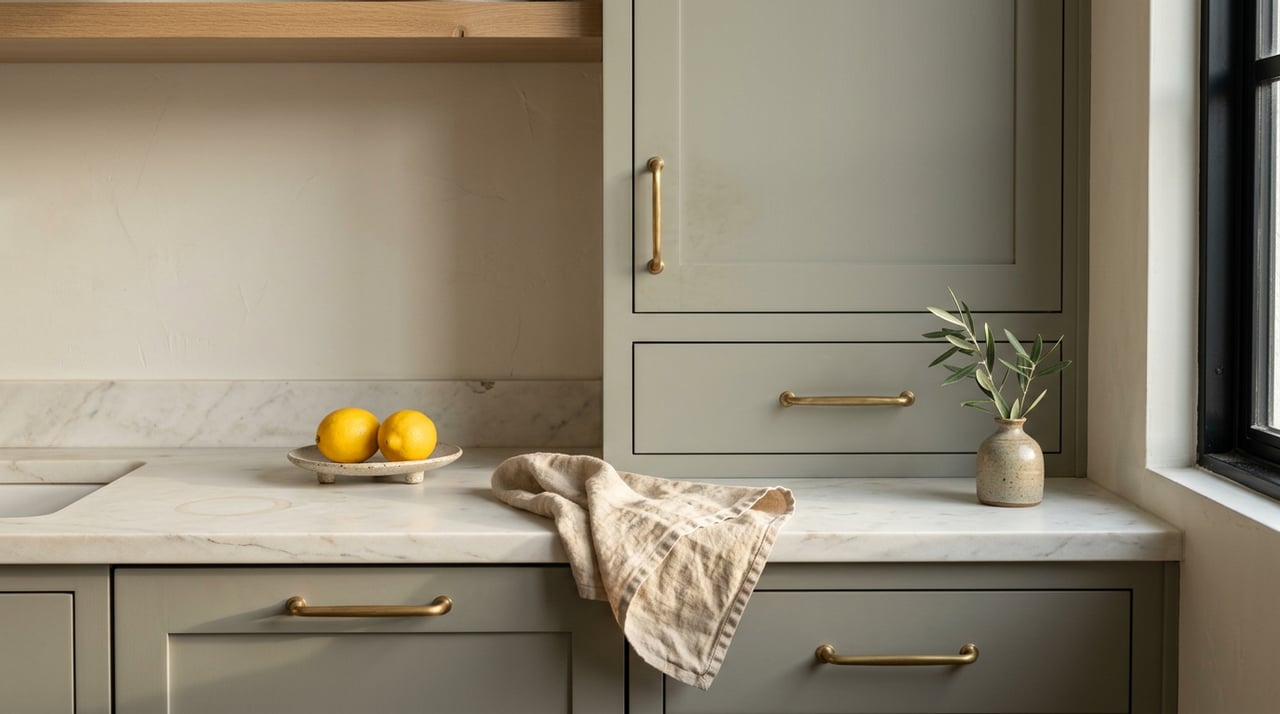
- Clear countertops and leave a few high-end cues: a wooden board, a ceramic bowl of citrus, and a handsome olive oil bottle.
- If appliances are older, lean into clean surfaces and good styling to spotlight workspace and storage.
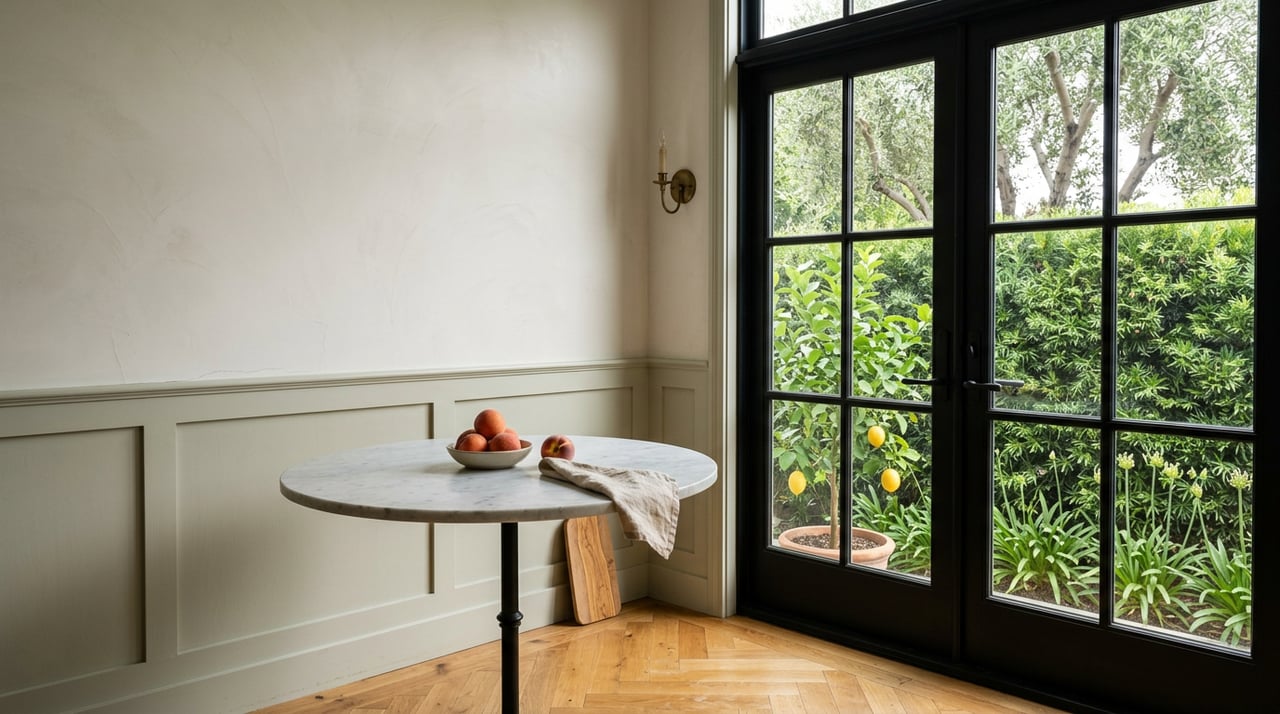
- If you have a breakfast bar or small nook, stage it café-style to underscore casual dining.
Primary bedroom calm
- Use a proportionate bed with crisp, neutral bedding and one or two accent pillows or a throw. Keep it restful, not personal.
- Style nightstands simply and, if possible, symmetrically to create visual order.
- Tidy closet shelving or hangers communicate usable storage.
Flex rooms that convert
- Stage secondary rooms to match likely buyer needs: a polished home office, a guest room, or a compact media room.
- Keep furniture scaled and functional. Show where a desk, sleeper, or media console fits without crowding.
- Add a plant and task light for a finished, livable look.
Spa-like bathrooms
- Clear counters and add fresh white towels, a small plant, and a tray with simple apothecary items.
- Make mirrors spotless. Clean grout and fixtures so they read updated.
- Remove personal items and visible products to keep the room photo-ready.
Terrace or balcony moments
- Treat outdoor space as an extra room. Use small-scale lounge chairs, a compact table, and an outdoor rug to define the area.
- Add potted plants for privacy and a lantern or string lights for evening ambiance.
- If you have a view, keep furniture minimal and low so the eye moves straight to the skyline.
Amenities and building spaces
- Plan professional photos of the lobby, rooftop, gym, pool, and parking. These images help justify HOA fees and highlight lifestyle.
- If your building has pet amenities or a standout courtyard, include them in your visual story.
- Confirm building access requirements in advance so photographers and stagers can work efficiently.
Storage and closets
- Lightly stage closets with neatly spaced hangers and a few labeled boxes.
- Remove excess items so the depth and width are easy to see at a glance.
Design cues that resonate
- Keep the palette neutral with a few localized pops, such as one bold art piece or a textured rug.
- Prioritize materials that read modern and low-maintenance, like matte metals and engineered wood.
- Avoid themed decor. Aim for contemporary and curated without feeling stark.
Concierge staging made easy
If you want a premium presentation without the project management, a concierge approach bundles design, installation, and photo-ready styling into one streamlined plan. It is built for busy sellers who want results with minimal disruption.
What concierge staging includes
- On-site consultation and measurements.
- A custom design plan matched to your target buyer profile.
- Furniture rental, delivery, installation, and styling for photos and open houses.
- Removal and deinstallation after the sale or at the end of the rental period.
- Optional add-ons can include decluttering help, deep cleaning, minor repairs, and photography coordination.
Typical timeline
- 2 to 3 weeks before listing: consultation, measurements, and agreement.
- 7 to 14 days before listing: delivery, install, and styling.
- Schedule photography after staging is complete. Plan twilight shots if views matter.
- Confirm rental terms and removal timing once under contract.
Cost and ROI
- Pricing varies by unit size, inventory quality, and duration. Concierge staging often costs more than basic furniture rental because it includes design and coordination.
- To evaluate ROI, ask for West Hollywood case studies and compare results with similar un-staged comps. Look for improvements in perceived value and time on market.
- Request an itemized quote that clearly lists design, install, monthly rental, pick-up, and any protection fees.
Occupied vs. vacant
- Vacant condos benefit most from full staging because scale and function are otherwise hard to visualize.
- Occupied units often do best with partial staging plus depersonalization. Enhancement packages can blend your pieces with curated additions.
- Choose durable, low-maintenance items if you will live in the space during showings.
Virtual vs. physical staging
- Virtual staging can work for photos, but it may disappoint in person if it misrepresents scale or condition. Many MLS platforms require clear virtual staging labels.
- In a design-forward market like West Hollywood, physical staging tends to generate stronger emotional responses and more accurate expectations.
HOA and building rules
- Confirm HOA guidelines before you stage balconies. Some buildings limit furniture types, rugs, or lighting.
- Check building access and insurance requirements for installers and photographers. Drone shots may be restricted by management or local rules.
Photography that drives clicks
A great gallery reads like a lifestyle tour. Bright, clean, and accurate images increase engagement and help pre-qualify serious buyers.
Pre-shoot staging checklist
- Clean windows inside and out to remove streaks.
- Turn on all lights and use daylight bulbs where possible. Replace dim bulbs.
- Remove personal items from surfaces, including bath products and remotes. Hide wires.
- Make beds with layered bedding and plump pillows.
- Stage and tidy the balcony. Remove trash bins and excess pet items.
Essential shot list
- Exterior facade and building entrance for context.
- Lobby and amenities such as rooftop, gym, or pool.
- Living room wide angle that captures the terrace or view.
- Kitchen wide shot and one detail of counters or finishes.
- Primary bedroom straight-on plus a doorway shot to show scale.
- Bathroom vanity and a tub or shower detail.
- Terrace daytime and, if relevant, a twilight image that shows the relationship to the living area.
- Storage or closets and parking if allowed.
- A floor plan and a 3D walkthrough for remote buyers.
- A few neighborhood context shots that convey walkability and nearby dining or parks.
Technical tips
- Use a full-frame camera with a lens suited to interiors to avoid distortion.
- Bracket exposures or use HDR to balance interior and exterior light. Protect window detail without darkening rooms.
- Capture a twilight exterior or terrace image if evening views are a selling point. This often increases click-through.
- Consider a drone for context if allowed by the building and local rules.
- Provide high-resolution files and web-optimized versions that meet MLS guidelines.
Style for photos and showings
- For photos, slightly more saturated accessories and textiles help images pop.
- For open houses, simplify. Remove fragile or overly personal items to help buyers imagine their life in the space.
Quick pre-listing checklist
- Declutter surfaces and limit decor to a maximum of three items per surface.
- Right-size the living room with slim seating. Consider renting an accent chair if your current sofa is oversized.
- Clean and repair grout, faucets, switch plates, and baseboards.
- Neutralize strong personal decor and store collections or family photos.
- Treat the balcony as an extra room with seating and lighting.
- Schedule professional photos on a bright day and request a twilight image if views are a highlight.
Ready to sell for more, with less stress?
If you want a design-forward listing that shows beautifully and moves quickly, partner with a concierge team that handles staging, vendors, and photography in one streamlined plan. You bring the keys. We bring the vision, timeline, and execution. To explore a tailored plan for your West Hollywood condo, connect with Mikka Johnson for your concierge consultation.
FAQs
How does staging help a small West Hollywood condo?
- Smaller footprints benefit from right-sized furniture and clear walk paths. Staging shows function for every square foot, which supports perceived value.
What timeline should I expect for staging and photos?
- Plan 2 to 3 weeks for consult and design, then 7 to 14 days before listing for install and styling. Photography occurs after staging is complete.
Can I stage while I still live in the condo?
- Yes. Partial staging blends your pieces with curated additions and prioritizes decluttering and durable, low-maintenance styling.
Should I use virtual or physical staging in West Hollywood?
- Virtual staging can help online, but physical staging typically creates stronger in-person impact and sets accurate expectations for design-focused buyers.
How do I judge the ROI of staging?
- Compare days on market and final price to similar un-staged comps. Ask for case studies on West Hollywood condos and review itemized quotes for clarity on costs.