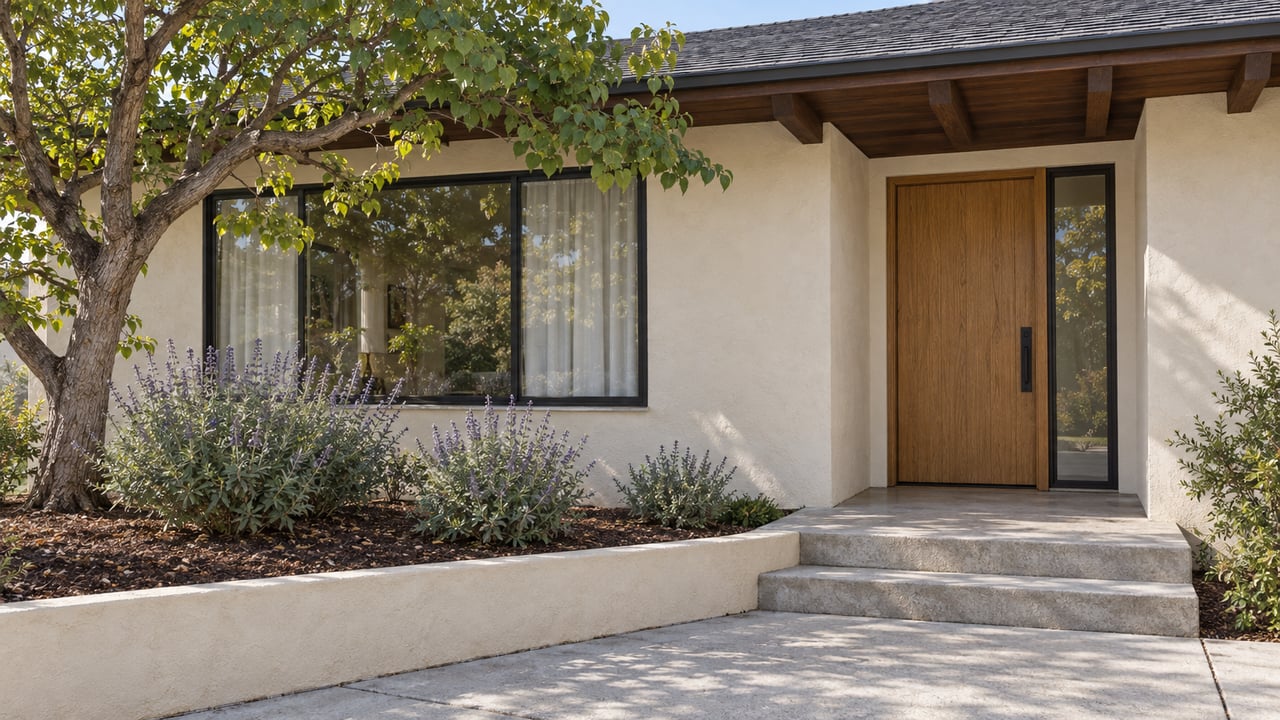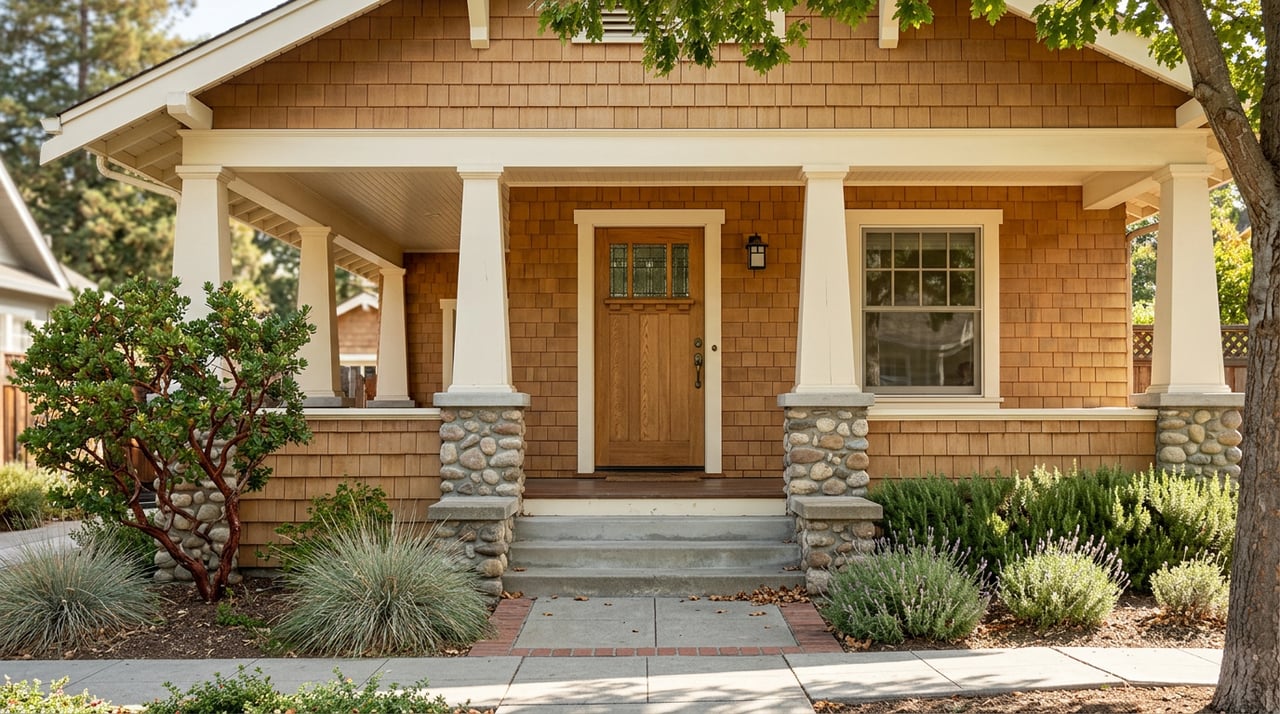
You can spot a Pasadena Craftsman the moment you see it: welcoming porch, warm wood, and details that feel made by hand. If you are drawn to that mix of charm and California ease, you are not alone. Buying one is both a design choice and a smart long-term investment, as long as you understand the style and the care it needs. This guide gives you a clear look at what to love, what to inspect, and how to preserve value when you own a Pasadena Craftsman. Let’s dive in.
Pasadena’s Craftsman legacy
Pasadena is a national touchpoint for the American Arts and Crafts movement. The city’s best-known example is the 1908 Gamble House by Greene and Greene, which anchors Pasadena’s identity and shows the movement’s craftsmanship at its peak. You can explore that legacy at the Gamble House and then see it echoed across neighborhoods filled with modest bungalows and higher-style period homes.
Neighborhoods like Bungalow Heaven offer street after street of intact early 20th-century homes that share this DNA. Preservation groups and local guidelines help protect these areas, which is part of why Pasadena remains one of the best places to shop for a classic Craftsman bungalow.
Spot a true Craftsman exterior
If you are touring homes, these features often signal a Pasadena Craftsman. For a deeper dive into the style in Pasadena, see this overview of local Arts and Crafts architecture.
- Low-pitched gabled roofs with wide, overhanging eaves and exposed rafters or beams.
- A full or partial front porch that feels like an extension of the main roof.
- Tapered or square columns on brick, stone, or river-rock bases.
- Natural, textured materials such as wood siding or shingles, stucco on some Mission-influenced examples, and occasional clinker brick accents.
These details vary from house to house. A high-style residence might have elaborate joinery and custom art glass, while a smaller bungalow carries the same vocabulary in a simpler way.
Interiors and floor plans you’ll love
Inside, Craftsman design puts living at the center.
- Built-ins like bookcases, buffets, and window seats create useful storage and visual rhythm.
- Generous wood trim, beams, and leaded or art glass add warmth and pattern.
- A central living room is the hub, with dining and kitchen nearby. Many bungalows started with two or three bedrooms and sometimes have sleeping porches on upper levels.
Scale matters. Rooms can feel more intimate than later suburban homes. When you prioritize flow and light, a thoughtfully sized Craftsman can live large.
What to check before you write an offer
Older homes reward buyers who verify the right details. Use this section as your quick inspection roadmap.
Seismic and structure
Most Pasadena Craftsman homes are wood framed and were built before modern seismic codes. Common targets for retrofit include bolting the home to its foundation, bracing cripple walls, and addressing unreinforced masonry chimneys. The state’s Earthquake Brace and Bolt program has offered grants to help offset basic bolt-and-brace work, which can be a cost-effective first step for many bungalows. Learn more about the program and typical scopes through CRMP and EBB resources.
What to do:
- Ask whether the home has been bolted and braced, and request permits and inspection records.
- If unsure, order a seismic evaluation and budget for a basic retrofit. Many owners complete foundational bolt-and-brace work for a manageable cost relative to the value it adds in resilience.
Termites and other wood-destroyers
Southern California’s climate supports both drywood and subterranean termites. A licensed WDO inspection is standard in California for older wood-framed homes and documents current activity, past damage, and conditions that attract pests. Review practical signs and treatment approaches via the UC Statewide IPM Program’s guide to drywood termites.
What to do:
- Request a current WDO report and any repair receipts.
- Use findings to negotiate treatment or repairs as needed.
Electrical systems and insurance
Some Craftsman homes retain knob-and-tube wiring or outdated service panels. Insurers often view legacy wiring as a material risk, which can affect your ability to get coverage. A licensed electrician’s inspection clarifies what you have and what a modern insurer may require. For a consumer overview of common insurance issues in older homes, see this summary from Insure.com.
What to do:
- Ask the seller about panel upgrades, grounding, and any rewiring.
- Plan for remediation if active knob-and-tube or unsafe modifications are present. This can be a closing condition for some lenders and insurers.
Plumbing and sewer lines
Original supply piping and sewer laterals can be galvanized, cast iron, clay, or a mix. Underground lines are not visible during a standard home inspection. A sewer camera scope is a low-cost add-on that can reveal corrosion, root intrusion, or bellies before you buy. Learn why pros often recommend a scope in older homes from this guide to sewer-camera inspections.
What to do:
- Request a recent sewer-scope video or ask to conduct one during escrow.
- Use results to budget for spot repairs, lining, or replacement.
Roofs, siding, and exterior finishes
Exposed wood trim, shingles, and natural masonry are part of the charm. They also need periodic care. Repainting, re-caulking, and timely roof replacement protect the structure and finish. Instead of guessing, ask for roof age, material type, and any repair history.
What to do:
- Look for peeling paint, soft wood at sills, and cracked shingles.
- If the roof is nearing the end of its life, get estimates during your contingency period.
Lead paint and safe renovation
Most Craftsman homes predate 1978, so federal and state rules apply when you disturb painted surfaces. Renovation work that impacts lead paint must be completed by certified contractors who follow lead-safe practices under the EPA’s RRP rule. You can review homeowner and contractor responsibilities in the EPA’s RRP program overview.
What to do:
- Expect lead disclosures on sale.
- Hire certified pros for projects that disturb painted surfaces and factor containment and cleanup into your budget.
Historic districts, permits, and the Mills Act
Pasadena’s Landmark Districts and Local Landmarks use design review to guide exterior, street-visible changes. Many routine maintenance tasks are exempt, but additions, window or porch replacements, and major exterior work often need a Certificate of Appropriateness. Qualifying historic properties may be eligible for property tax relief under the city’s Mills Act program. Start with Pasadena’s Mills Act program page and ask your agent to help you confirm a home’s designation status.
What to do:
- Verify whether the property sits in a Landmark District or has local designation.
- Confirm that prior exterior changes were permitted and approved.
Wildfire exposure and defensible space
Parts of Pasadena sit near foothill brush areas. Local rules require regular brush clearance and defensible space, and these steps can influence insurance underwriting. The city provides updates and reminders on brush-clearance inspections.
What to do:
- Ask about defensible-space maintenance and roof and vent materials.
- Speak with a local insurance agent early in your search if you are looking in the foothill areas.
Smart upgrades that respect character
You can improve comfort and efficiency without erasing original details. Preservation guidance recommends starting with low-impact, reversible measures. The National Park Service outlines this approach in its Sustainability Guidelines.
- Air seal and insulate the attic before major mechanical changes.
- Weather-strip original windows and add quality storm windows instead of full replacement when feasible.
- Maintain and repair rather than replace distinctive woodwork and art glass.
- Use compatible materials and profiles for any new exterior work.
These steps often deliver meaningful savings and comfort while preserving long-term value.
Budgeting and negotiation tips
- Prioritize the big five: structure, termites, electrical, plumbing, and roof. These have the greatest impact on safety, financing, and insurance.
- Get estimates during contingencies, not after. Bring a seismic contractor, roofer, electrician, and plumber for targeted bids if your inspector flags items.
- Use city permit records to verify completed work and gauge future costs.
- Explore retrofit help. Programs like EBB noted by CRMP can offset a portion of basic seismic work when available.
Above all, avoid hard promises. Every Craftsman is unique. The right team and the right information let you buy with confidence.
Your Pasadena buying game plan
- Clarify your must-haves. Decide which original features you want to protect and where you are comfortable updating.
- Tour different price points. Compare modest bungalows with higher-style examples to calibrate size and finish expectations.
- Do your diligence. Order WDO, electrical, roof, and sewer inspections, plus a seismic review when needed.
- Verify status. Check landmark designation and permit history, and understand any design review triggers.
- Plan your first-year projects. Rank safety and preservation first, then comfort and aesthetics.
Ready to shop with clarity and a design-forward eye? Partner with a buyer’s agent who understands historic homes and can coordinate your inspectors, estimates, and negotiations. If you want a concierge approach that balances great design with smart due diligence, connect with Mikka Johnson to start your Pasadena Craftsman search.
FAQs
What defines a Pasadena Craftsman home style?
- Look for low-pitched gable roofs with broad eaves and exposed rafters, a substantial front porch with tapered columns, and natural materials like wood siding and brick or stone accents.
How do seismic retrofits affect a Pasadena Craftsman purchase?
- Basic bolt-and-brace work improves resilience and is often a practical early upgrade. Ask for permits and consider a seismic evaluation, then budget based on contractor bids and current retrofit guidance.
Do I need a sewer scope on an older Pasadena bungalow?
- Yes, it is a smart add-on. A camera scope can reveal root intrusion or corrosion in legacy lines and is a useful budgeting and negotiating tool before you close.
Will original windows make the home inefficient?
- Not necessarily. Weather-stripping, storm windows, and air sealing often bring meaningful comfort gains while preserving historic windows and trim.
What permits do I need for exterior changes in a Landmark District?
- Many exterior, street-visible changes require design review and a Certificate of Appropriateness. Routine maintenance and most interior work are typically exempt, but always confirm with the city.
What insurance issues should I expect with a 1910 Craftsman?
- Insurers may scrutinize older wiring and roof condition. A clean electrical report and clear documentation of upgrades help with underwriting and may be required for standard coverage.