If you are shopping for a Santa Monica condo, the monthly HOA fee can raise an immediate question: what are you actually getting for that cost? That is a smart question, especially in a market where one building may offer a simple low-rise lifestyle while another includes rooftop amenities, concierge service, and more complex shared systems. When you understand how amenities, HOA budgets, reserves, and local rules work together, you can make a more confident decision before you remove contingencies. Let’s dive in.
Santa Monica Amenities Vary Widely
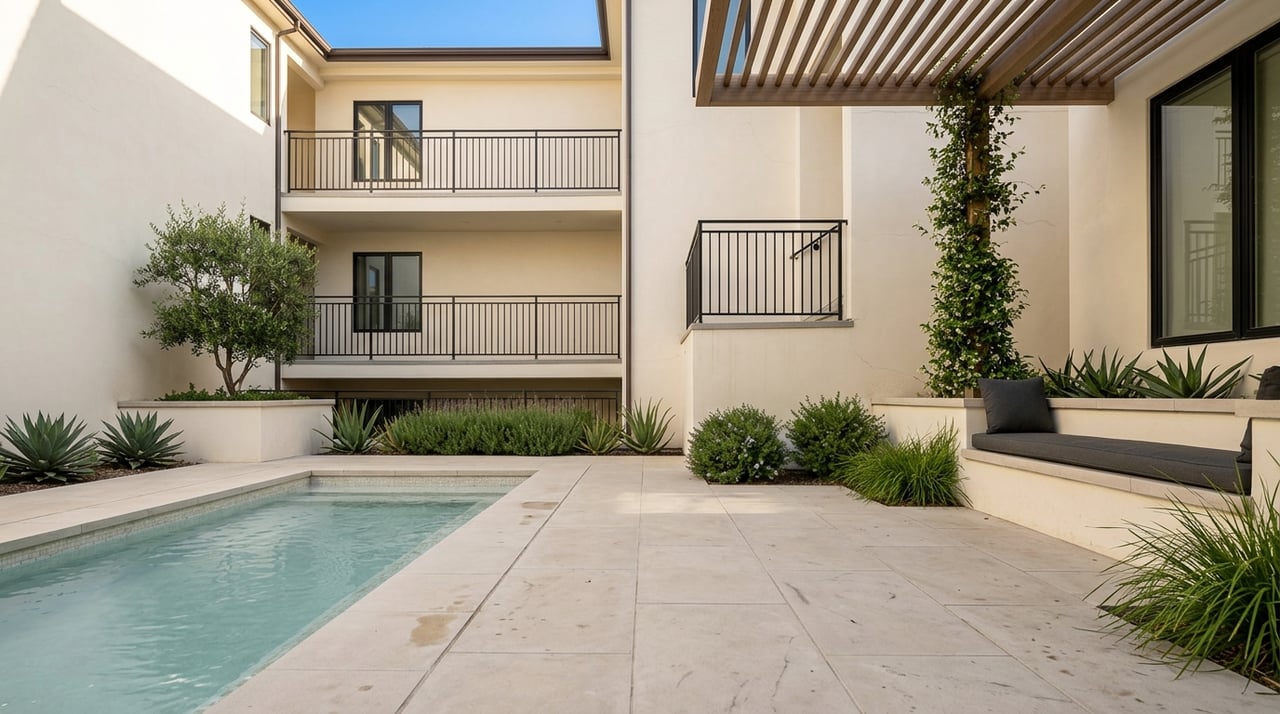
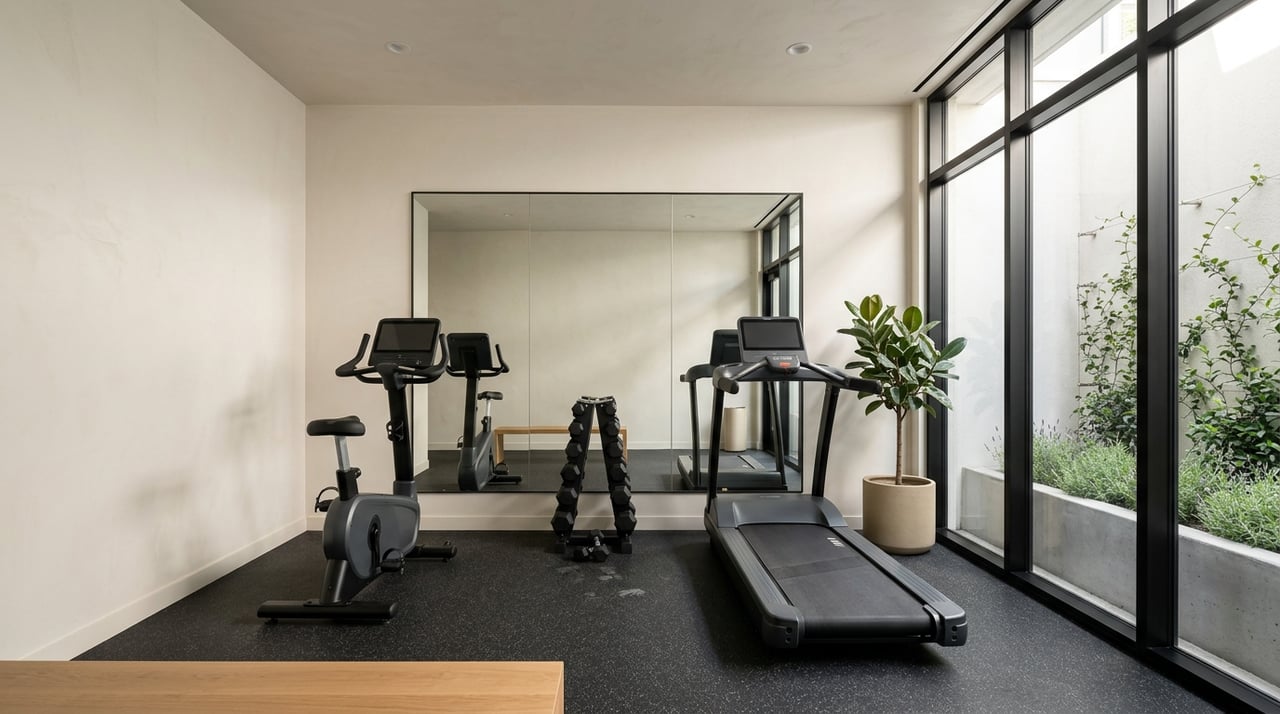
In Santa Monica, condo amenities can look very different from one building to the next. Current listing examples show everything from modest setups to more full-service offerings such as rooftop decks, rooftop pools, fitness centers, spas, concierge or 24-hour security, valet parking, private storage, club rooms, and outdoor entertaining areas.
That range matters because the HOA fee should be judged in context. A higher fee is not automatically a red flag, and a lower fee is not automatically a bargain. What matters is whether the building’s fee matches the level of service, maintenance, and shared features you will actually use.
Common Amenities Buyers May See
Depending on the building, you may come across amenities such as:
- Rooftop decks
- Rooftop pools
- Fitness centers
- Spas
- Concierge service
- 24-hour security
- Valet parking
- Private storage
- Club rooms
- Outdoor entertaining spaces
In general, amenity packages tend to vary by building age, size, and service level. A newer or more service-oriented property may have a very different operating profile than a smaller, older building with fewer shared features.
HOA Fees Mean More Than Amenities
It is easy to think of HOA dues as the price of perks, but that is only part of the picture. HOA fees also help cover routine operations, building maintenance, management needs, and contributions to future repairs and replacements.
In California, condo associations must provide an annual budget report 30 to 90 days before the end of the fiscal year. That report must include a pro forma operating budget, a reserve summary, a reserve funding plan, a statement about whether major component repairs are being deferred, whether special assessments are expected, and a summary of key insurance policies.
This is one reason your review of HOA documents matters so much. The monthly dues number by itself does not tell you whether the building is planning responsibly for future expenses.
Why Reserve Funding Deserves Attention
Reserve planning is a major part of condo ownership. California requires HOAs to complete a reserve study at least once every three years, review it annually, and include a reserve funding summary with the annual budget report.
That reserve study must identify major components, their remaining useful life, estimated repair or replacement cost, annual contribution needs, and a funding plan. In practical terms, this helps you see whether the association is preparing for big-ticket work before it becomes a financial surprise.
Buildings with more amenities or older infrastructure may have higher operating costs and greater reserve needs. That does not make them bad options, but it does make document review especially important.
What Sellers Must Disclose in California
If you are buying a resale condo in Santa Monica, California law requires a substantial HOA disclosure package. This package is one of your best tools for understanding the real financial and operational health of the building.
The transfer disclosure materials must include the most recent HOA budget and reserve documents, current regular and special assessments, unpaid fees or fines, board-approved assessment changes not yet due, any rental restrictions in the governing documents, and the most recent exterior elevated elements inspection report. If requested, the seller disclosure package can also include board minutes from the prior 12 months.
These documents can reveal issues that are not obvious during a showing. For example, a building may look beautifully maintained while also discussing deferred repairs, insurance concerns, or possible assessment increases behind the scenes.
Insurance Is Important, But Read Carefully
The HOA disclosure packet also includes an insurance summary. Still, California makes clear that this summary is not a substitute for the full policy.
That distinction matters because owners may still be responsible for all or part of a deductible or for losses not covered by the master policy. If you are comparing condos, this is one area where details can affect your risk and your future out-of-pocket costs.
Santa Monica Rules Can Affect Condo Use
In Santa Monica, local rules can shape how flexible a condo will be after you buy it. This is especially important if you are considering a part-time residence, investment use, or future rental strategy.
The city has prohibited short-term vacation rentals. Home-sharing is limited to certain primary-residence situations where the host lives on site. The city also states that even standard residential rentals require a business license.
For buyers, this means you should not assume a condo can be used for short-term rental income or occasional guest-style stays. If rental potential matters to you, review both the city rules and the HOA governing documents before moving forward.
Coastal Zone Rules May Add Review
Santa Monica also has local permitting considerations that can affect condo projects. Because much of downtown Santa Monica sits within the city’s coastal zone, exterior and common-area work can involve additional local approvals.
The city’s permit guidance also says condominium projects need HOA authorization when work affects the common area or exterior of the building. So if you are imagining future balcony changes, rooftop improvements, façade work, or similar modifications, expect more review than you might in a less regulated setting.
Balcony Inspections Now Matter More
California now requires periodic inspections of exterior elevated elements in condominium projects. This includes items such as balconies, decks, and other load-bearing waterproofed elements.
The first inspection had to be completed by January 1, 2025, and the inspection must be repeated every nine years. If an immediate safety threat is found, the association must restrict access until repairs are inspected and approved.
For buyers, this matters in two ways. First, the inspection report is now part of association records. Second, the report appears in the seller disclosure package, making it an important document to review before you commit.
Questions To Ask Before Removing Contingencies
Before you move forward on a Santa Monica condo, you want a clear picture of both lifestyle and risk. The right questions can help you spot whether a building is well-managed, financially prepared, and aligned with your goals.
Here are some smart questions to ask the HOA and your agent before removing contingencies:
- How much of the monthly HOA fee goes to operations versus reserves?
- When was the reserve study last updated?
- Are any major components underfunded?
- Is a special assessment being discussed or already approved?
- What is the master insurance deductible?
- What does the master insurance policy not cover?
- Are there pet rules or limits?
- Are there rental restrictions in the governing documents?
- Are there balcony, grilling, or outdoor-use restrictions?
- Is EV charging allowed or planned?
- What approvals are needed for renovations?
- Are there unresolved water intrusion, waterproofing, or litigation issues?
These questions are practical, not overly cautious. In a condo purchase, the building itself is part of what you are buying, so shared systems and shared decisions deserve close attention.
New Construction Needs One More Document
If you are considering a new condo or a newly marketed common-interest development, ask for the Department of Real Estate public report. The California Department of Real Estate says common-interest facilities with HOA dues require a public report.
That report addresses CC&Rs, costs and assessments, and other material subdivision facts. It is an important part of understanding the rules and financial framework of the development before you buy.
How To Evaluate Amenities With Confidence
In Santa Monica, condo living can be incredibly appealing, but the details matter. A rooftop deck, valet parking, or fitness center may feel like a perfect fit for your lifestyle, but you also want to know how those features affect the building’s budget, reserves, and long-term maintenance needs.
The goal is not to avoid HOA fees. The goal is to understand whether the building is delivering value, planning responsibly, and matching how you want to live. When you review the documents carefully and ask focused questions early, you put yourself in a much stronger position to buy with clarity.
If you want help comparing Santa Monica condo options, reviewing the lifestyle tradeoffs between buildings, and navigating the details with a polished, hands-on approach, Mikka Johnson can help you move forward with confidence.
FAQs
What condo amenities are common in Santa Monica?
- Santa Monica condo amenities can include rooftop decks, rooftop pools, fitness centers, spas, concierge service, 24-hour security, valet parking, private storage, club rooms, and outdoor entertaining space, depending on the building.
What should Santa Monica buyers look for in HOA documents?
- You should review the budget, reserve summary, reserve funding plan, current assessments, possible special assessments, insurance summary, rental restrictions, and the most recent exterior elevated elements inspection report.
Can you use a Santa Monica condo as a short-term rental?
- Santa Monica has prohibited short-term vacation rentals, and home-sharing is limited to certain primary-residence situations where the host lives on site.
Why do reserve studies matter for Santa Monica condos?
- Reserve studies help show whether the HOA is planning for major future repairs and replacements by identifying major components, useful life, estimated costs, and funding needs.
Do Santa Monica condo renovations need HOA approval?
- If work involves the common area or exterior of the building, the city’s permit guidance says condominium projects need HOA authorization, and some projects may also face added local review in coastal-zone areas.
What should buyers ask before removing contingencies on a Santa Monica condo?
- You should ask about operations versus reserves, reserve study timing, underfunded components, special assessments, insurance deductibles and exclusions, rental rules, pet rules, EV charging, renovation approvals, and any unresolved water intrusion, waterproofing, or litigation issues.