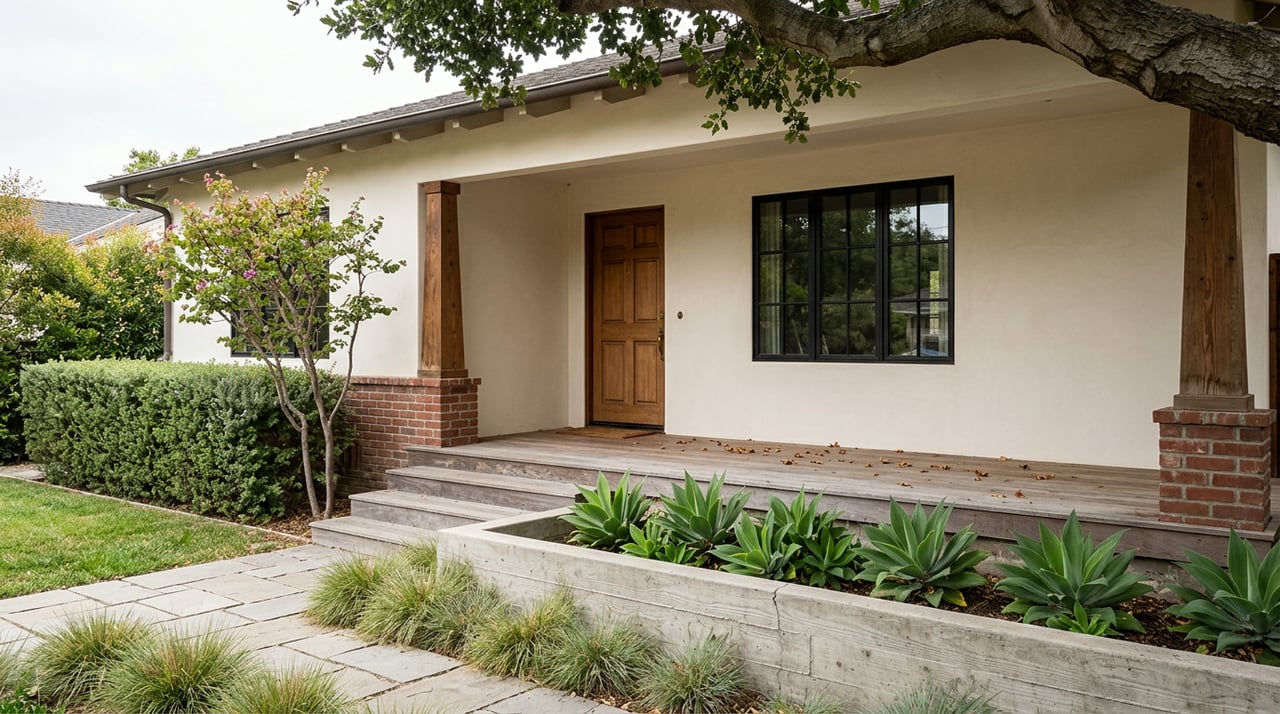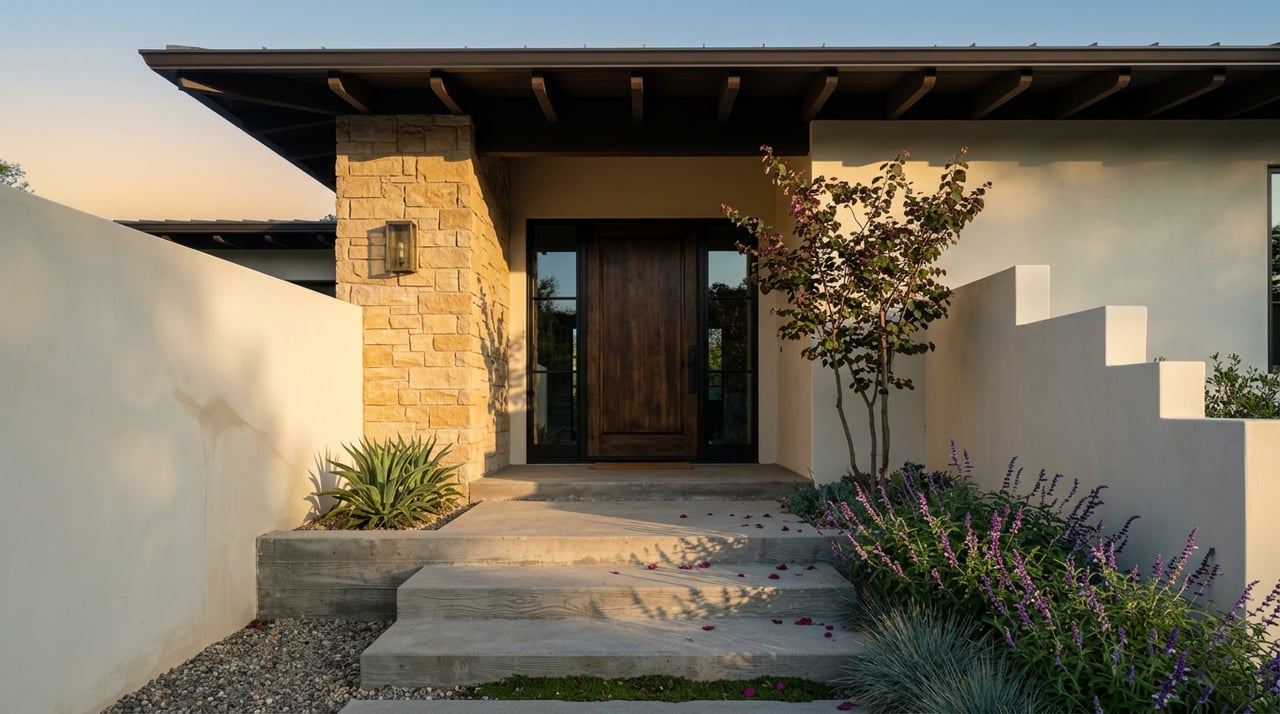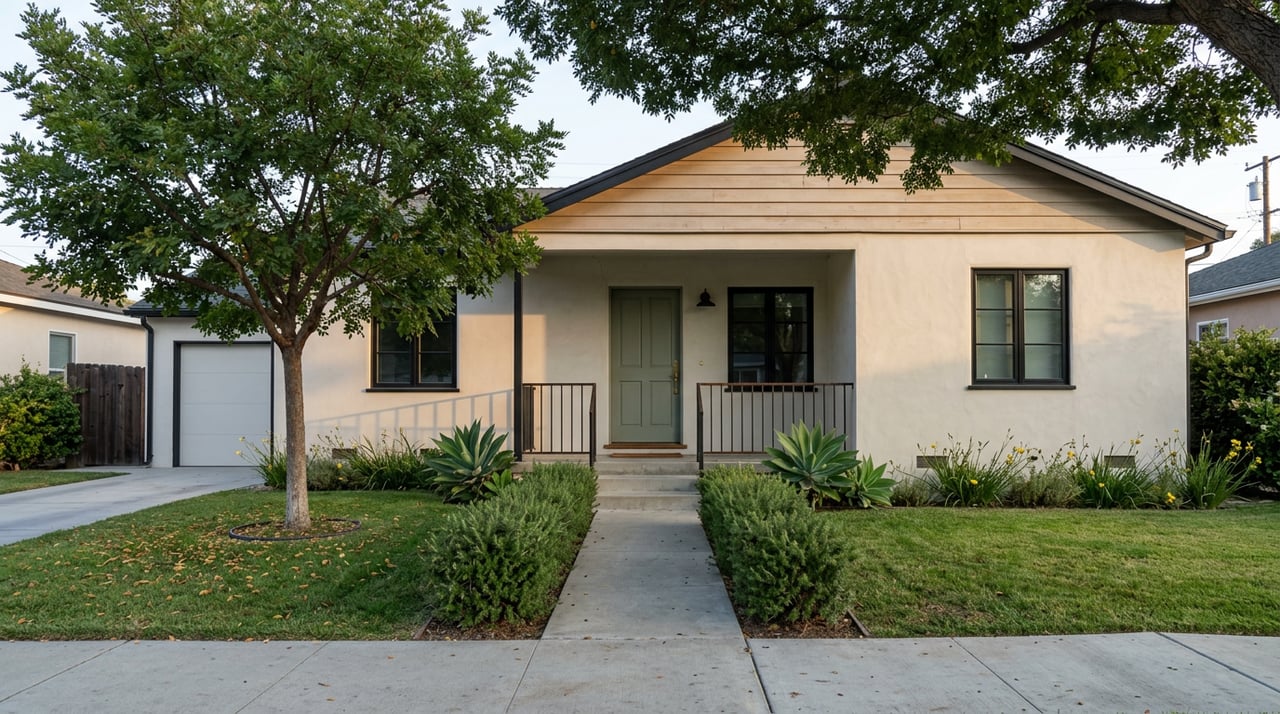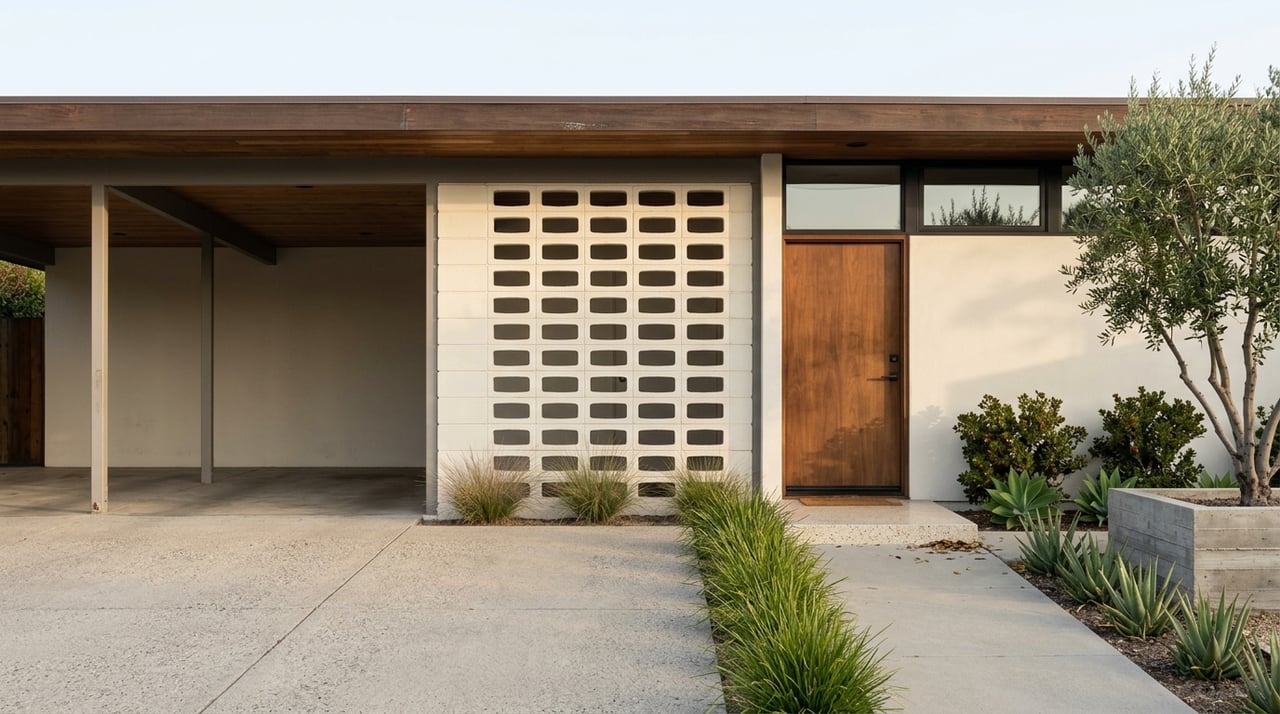
Wondering how to stage a Culver City mid-century home without stripping away the very character that makes it special? If you are preparing to sell, it can be hard to know what to update, what to leave alone, and how to make your home feel fresh to today’s buyers. The good news is that in a market like Culver City, a thoughtful, design-forward approach often works better than a heavy-handed makeover. Let’s dive in.
Why Mid-Century Staging Matters in Culver City
Culver City is a natural fit for this conversation because much of its housing stock is older. The city reports that about 62.6% of homes were built before 1970, and more than 90% were built before 1990. That means many sellers are bringing post-war homes to market, not brand-new construction.
That local context matters when you stage. Culver City’s design standards describe modern architecture as emphasizing simplicity, clean lines, horizontality, and materials like glass, steel, and concrete. For a mid-century home, the smartest staging plan is usually the one that supports those original architectural qualities instead of competing with them.
It also helps that Culver City remains a high-value, competitive market. Recent market snapshots place typical home values around $1.31 million, with a median sale price around $1.45 million in March 2026, and describe the market as very competitive and favorable to sellers. In a setting like that, presentation can help you stand out while reinforcing value.
Start With the Architecture
When you stage a mid-century home, your goal is not to make it look like every other listing. Your goal is to help buyers see the home’s lines, light, and layout clearly. That usually means editing the space so the architecture takes the lead.
In practical terms, focus on openness. Keep major sightlines clear, avoid bulky furniture, and let windows, room proportions, and original features stay visible. Low-profile pieces and restrained styling often fit better than oversized sectionals, busy prints, or too many accessories.
This approach also aligns with what buyers respond to when they tour a home. According to the National Association of Realtors’ 2023 Profile of Home Staging, staging helps buyers visualize a property as their future home. For a design-conscious Culver City listing, that visualization works best when the home feels calm, bright, and easy to read.
Edit, Don’t Reinvent
If you want to sell confidently, one of the most helpful rules is simple: edit, don’t reinvent. You usually do not need a major remodel to improve how your home shows. In many cases, the highest-impact pre-listing work is less dramatic and far more manageable.
NAR found that the most common seller prep recommendations were decluttering, whole-home cleaning, removing pets during showings, and professional photos. That tells you something important. The work that reduces distraction often does more for buyer perception than changes that alter the home’s original design.
Before you spend money, ask whether each choice helps the home feel cleaner, lighter, and more intentional. If the answer is yes, it is probably worth considering. If it starts to blur the home’s mid-century identity, it may be the wrong move.
Focus on the Most Important Rooms
You do not have to stage every inch of the house to make a strong impression. In fact, prioritizing the right rooms can give you a more polished result without creating unnecessary stress.
NAR reports that the rooms most often staged are:
- Living room
- Kitchen
- Primary bedroom
- Dining room
- Bathrooms
That order makes sense for a Culver City mid-century home. Buyers tend to form strong impressions in the public living spaces first, especially where clean lines, large openings, and indoor-outdoor flow can shine.
Living Room Priorities
The living room should feel open, grounded, and connected to the architecture. Use fewer pieces, not more, and choose furnishings that sit low enough to preserve the home’s horizontal lines. A simple rug, edited art, and a balanced seating plan can help the room feel finished without feeling crowded.
If the room has large windows or a strong focal point, make sure furniture placement supports it. You want buyers to notice the natural light and proportions right away. Anything that blocks those features works against the home.
Kitchen Presentation
In the kitchen, clear counters matter. Leave only a few purposeful items out, and keep finishes looking clean and fresh. If there are original details worth highlighting, let them be part of the story rather than covering them up.
This is also a good space for small cosmetic improvements. Fresh paint, minor repairs, and deep cleaning can go a long way if they help the kitchen feel crisp and move-in ready. The key is to improve presentation without overcomplicating the prep.
Primary Bedroom Styling
The primary bedroom should feel restful and spacious. Neutral bedding, simple nightstands, and minimal decor usually work best. You want the room to read as calm and functional, not overly styled.
If the bedroom is not large, staging becomes even more important. A scaled-down furniture plan can make the room feel easier to move through and easier for buyers to imagine using.
Dining and Bath Touches
Dining rooms benefit from a straightforward setup that defines the purpose of the space. A clean table, a few chairs, and restrained styling are usually enough. Avoid over-decorating with centerpieces or too many layered accessories.
Bathrooms should feel clean, bright, and simple. Fresh towels, clean surfaces, and uncluttered vanities matter more than trendy styling. Buyers notice cleanliness quickly, especially in older homes.
Use Cosmetic Updates Carefully
Many Culver City homes have real architectural history, and some have formal historic status. Culver City’s Historic Preservation Program notes that the city has Landmark and Significant properties, along with three designated historic districts: Braddock Drive, Lafayette Place, and McConnell Boulevard. If your home falls into one of those categories, you should be especially careful with changes.
The city says exterior alterations to Landmark or Significant properties require comment from Cultural Affairs staff, and some exterior work may require a Certificate of Appropriateness. Owners are also directed to familiarize themselves with the Secretary of the Interior’s standards. For sellers, that means reversible, presentation-focused improvements are often the safer path.
If your home is a designated historic resource, avoid irreversible changes that could weaken its architectural character. Staging should support the sale, not create review issues or erase what makes the property distinct.
Be Smart About Paint and Prep
Fresh paint can absolutely help a home show better, but older homes need extra care. Culver City notes that if a property was built before 1978, it probably contains lead-based paint. That makes lead-safe prep important before repainting or doing surface work.
If your mid-century home falls into that age range, plan carefully before sanding, scraping, or opening up old painted surfaces. Even small cosmetic work should be approached thoughtfully. A well-managed prep plan protects your timeline and helps you avoid unnecessary surprises before listing.
Make the Home Feel Bright and Open
A mid-century home tends to show best when it feels airy and intentional. This does not mean making everything stark or cold. It means creating enough visual calm that buyers can appreciate the home’s shape, scale, and natural light.
A few ways to support that feeling include:
- Remove excess furniture
- Limit decor to a few clean, architectural accents
- Keep window areas open and unobstructed
- Use low-profile pieces where possible
- Maintain clear walking paths through each room
- Choose a restrained color palette
These choices can help your home feel more expansive in person and more coherent in listing photos. That consistency matters.
Treat Photography as Part of Staging
Staging is not finished when the furniture is placed. Your listing photos and media are part of the presentation strategy, especially in a design-driven market like Culver City.
NAR reports that buyers’ agents rated photos, physical staging, videos, and virtual tours as important to buyers. In other words, the story your home tells online should match what buyers experience when they walk through the front door.
That is especially true for a mid-century property. Clean styling, open sightlines, and strong natural light tend to photograph well when the home is prepared with intention. If the house feels cluttered, inconsistent, or overly personalized, that can show up in your marketing before a buyer ever schedules a visit.
A Low-Stress Staging Checklist
If you want a practical way to move forward, start here:
- Declutter every room.
- Deep clean the entire home.
- Remove or reduce bulky furniture.
- Prioritize the living room, kitchen, primary bedroom, and dining room.
- Make minor repairs and touch up worn areas.
- Confirm whether historic guidelines affect exterior changes.
- Use lead-safe caution if the home was built before 1978.
- Prepare the home for professional photography.
- Remove pets during showings when possible.
- Keep the final look simple, bright, and architectural.
This kind of plan supports confidence because it keeps the process focused. You are not trying to transform the home into something else. You are helping buyers see why it already matters.
Sell the Character, Not Just the Square Footage
A Culver City mid-century home often has qualities buyers cannot easily find in newer properties. Strong lines, original proportions, thoughtful window placement, and a sense of architectural identity all add to the appeal. Good staging helps those qualities come through clearly.
That is why the best pre-sale strategy is often a measured one. Preserve the architecture, simplify the furnishings, and present the home with care online and in person. When buyers can see the design story right away, you put yourself in a stronger position to sell with less stress and more confidence.
If you want a design-minded plan for preparing your Culver City home for market, Mikka Johnson offers a concierge approach that combines staging insight, vendor coordination, photography guidance, and polished listing preparation.
FAQs
How should you stage a mid-century home in Culver City?
- Focus on clean lines, open sightlines, low-profile furniture, minimal clutter, and simple styling that lets the architecture stand out.
Which rooms matter most when staging a Culver City home for sale?
- Start with the living room, kitchen, primary bedroom, and dining room, since these are among the most commonly staged spaces and often shape buyer impressions first.
Should you remodel a Culver City mid-century home before listing it?
- Usually, smaller presentation-focused updates like decluttering, cleaning, paint touch-ups, and minor repairs make more sense than major changes if your goal is to preserve character and reduce stress.
What should you know about historic rules for a Culver City home?
- If your home is a Landmark or Significant property, or located in a designated historic district, some exterior changes may require staff review or a Certificate of Appropriateness.
Is repainting an older Culver City home always simple?
- No. If the property was built before 1978, Culver City notes it probably contains lead-based paint, so surface prep and repainting should be approached carefully.
Why do listing photos matter when selling a staged Culver City home?
- Buyers often form their first impression online, and strong photos, videos, and tours help your home’s design, openness, and condition come through before a showing is scheduled.